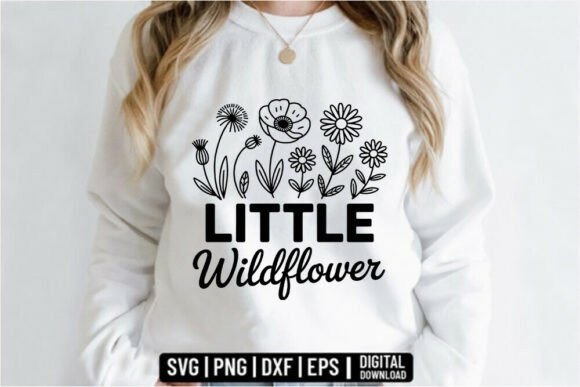
Little Wildflower Svg, Newborn Svg, Baby Review
When I first opened the folder for Little Wildflower Svg, Newborn Svg, Baby, I didn't just see a digital file; I saw a potential bestseller for a boutique nursery collection. As someone who has spent years stitching custom apparel and reviewing design assets for small business owners, my initial reaction was one of genuine curiosity about how this specific layout would translate from a screen to a finished textile product. The name itself suggests a soft, organic aesthetic that is currently dominating the handmade market, but the real test always lies in the execution.
The First Impression: Mood and Visual Personality
The design immediately conveys a sense of gentle whimsy. Unlike some rigid geometric patterns or overly complex floral arrangements that can look cluttered when stitched, Little Wildflower Svg, Newborn Svg, Baby feels airy and breathable. This is crucial for embroidery, where too much detail often gets lost in the thread. The composition relies on what looks like a delicate arrangement of stems and blooms, which naturally lends itself to the satin stitch technique used for outlines and the running stitch for finer details. It creates a mood that is perfect for welcoming a new life into the world, making it an ideal candidate for baby embroidery projects like onesies, blankets, and nursery decor.
From a branding perspective, this design has strong recognition potential. In a sea of generic "Baby" text overlays, a standalone floral motif allows the customer's imagination to fill in the gaps while still providing a clear visual anchor. It feels less like a mass-produced graphic and more like a handcrafted element, which is exactly what buyers at craft fairs and Etsy shops are looking for today.
Real-World Application: From Digital File to Finished Product
I recently put this design through its paces with a practical scenario: creating a line of personalized gift sets for a local boutique. The goal was to produce embroidered tote bags and kitchen towels that could serve as baby shower gifts. When importing the embroidery file into my digitizing software, the vector lines were clean, which usually indicates a well-prepared source. The inclusion of multiple formats like SVG, PNG, EPS, and DXF meant I had the flexibility to use it across different machines and platforms without hassle.
For the tote bag project, the design worked beautifully. The open nature of the wildflower theme allowed me to place it centrally on a canvas bag without overwhelming the fabric. The contrast between the thread colors and the natural cotton background made the flowers pop. However, I also tested it on a sweatshirt for a custom apparel order. Here, the results were mixed but promising. On a light-colored fleece, the stitch density held up well, creating a soft texture that felt luxurious against the skin. But on a darker, textured knit, I found that the fine details required a careful selection of thread colors to ensure visibility. This highlights a key consideration for any commercial embroidery project: the background fabric dictates the success of the design as much as the design itself does.
The versatility extends beyond clothing. I envision this design thriving on pillow covers, aprons for a baking shop, or even as a decorative patch for denim jackets. For an Etsy seller, the ability to offer this as a customizable element—adding a name in a complementary font alongside the wildflowers—adds significant value to the final product. It transforms a simple graphic into a personalized gift that feels bespoke and thoughtful.
Navigating Challenges: Where Caution is Required
While Little Wildflower Svg, Newborn Svg, Baby is a strong contender, no design is universally perfect. There are specific scenarios where you need to exercise caution. If you plan to use this on a curved surface like a baseball cap, be mindful of the distortion that occurs during the hooping process. While the design is likely scalable, the intricate curves of the flower petals might stretch slightly if the hoop size isn't perfectly matched to the curvature of the hat.
Small hoop sizes present another challenge. If you attempt to stitch this design on a very small item, such as a baby bib or a tiny sock, the stitch density might become too high, causing the fabric to pucker or the threads to break. In these cases, you may need to resize the design down, but doing so risks losing the delicate definition of the wildflowers. Similarly, working with thin or stretchy fabrics requires a robust stabilizer. Without proper support, the tension of the fill stitch areas could pull the fabric out of shape, ruining the professional look of the finished product.
Dark fabrics also demand attention. While the design files are ready to use, the default thread colors might not provide enough contrast on navy or black materials. You will need to manually adjust your thread colors in the digitizing software to ensure the white or light-colored elements of the wildflowers stand out clearly. This is a standard step for any machine embroidery design, but it is worth noting here because the aesthetic of the piece relies heavily on that clarity.
Design Notes for the Professional Crafter
If you are a craft business owner or a hobbyist looking to elevate your offerings, there are several technical steps you must take before committing to a full production run. First and foremost, always test the design on scrap fabric that matches the weight and texture of your final material. This simple step can save you hours of frustration and prevent costly mistakes with expensive inventory.
Review the stitch density carefully. High-density areas can sometimes look muddy if the thread count is too heavy. Inspect the small details, particularly the tips of the leaves and the centers of the flowers, to ensure they won't disappear under the needle. It is also wise to create a black-and-white mockup of the design. Sometimes, color can distract us from structural issues that become obvious only in monochrome. If the design holds up in grayscale, it will likely perform well in color.
Confirm your licensing terms before selling finished items. While the product description mentions the file formats included, it is essential to verify whether the license permits commercial use for the end products you intend to sell. Many digital product sellers overlook this detail, leading to legal complications later. Ensure you have the right permissions to use Little Wildflower Svg, Newborn Svg, Baby in your small shop product listings.
Final Verdict on Visual Appeal and Value
In conclusion, Little Wildflower Svg, Newborn Svg, Baby offers a compelling blend of simplicity and charm that fits seamlessly into the current landscape of handmade goods. Its visual appeal lies in its ability to evoke emotion without being overwhelming. For apparel decorators and creative entrepreneurs, this design asset provides a solid foundation for building a cohesive brand identity around themes of nature, growth, and new beginnings.
When executed correctly, this design enhances the perceived value of your products. A well-stitched wildflower motif on a high-quality garment signals care and attention to detail, fostering trust with your customers. Whether you are creating holiday gifts, wedding favors, or everyday wear, this design has the potential to become a staple in your repertoire. Just remember to respect the limitations of the medium, choose your fabrics wisely, and always prioritize quality control. With the right approach, Little Wildflower Svg, Newborn Svg, Baby can help you create memorable, tangible memories for your clients.