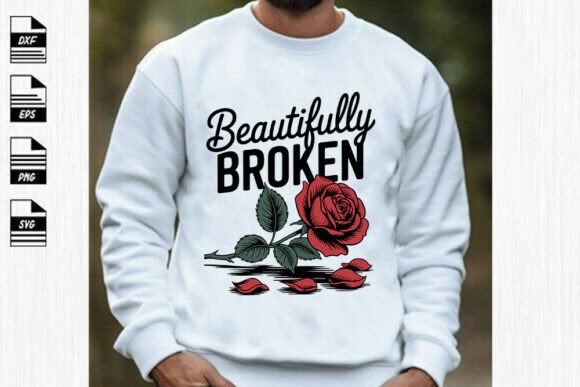
Beautifully Broken Svg Design: Real-World Embroidery Review
As a designer who has spent years evaluating digital assets for real-world embroidery projects, I have learned to look past the pretty preview images. The true test of any machine embroidery design happens when it hits the hoop and the needle starts moving. Today, I am putting Beautifully Broken Svg Design through that exact gauntlet. This isn't just another graphic file; it is a statement piece with a specific mood that demands careful handling to translate from screen to fabric successfully.
The first impression of this design is one of raw, artistic integrity. The concept of "broken" beauty suggests a narrative of resilience or vintage charm, which creates an immediate emotional connection. Visually, the layout appears to balance negative space with intricate detail, making it ideal for projects where you want the stitching to tell a story rather than just fill a space. When I opened the files included in the package—specifically the SVG, PNG, EPS, and DXF formats—I was looking for clarity. The vector nature of the SVG ensures that the lines remain crisp regardless of how much we scale them up for a large sweatshirt or down for a baby onesie.
From Digital File to Finished Product
Let me take you through a real scenario. Imagine you are an Etsy seller preparing a collection of custom embroidered tote bags for the upcoming holiday season. You need something that stands out on a crowded marketplace but doesn't require hours of manual digitizing. Beautifully Broken Svg Design fits this niche perfectly. The aesthetic works exceptionally well on canvas or heavy cotton totes, where the texture of the fabric complements the "broken" theme of the artwork.
When I simulated placing this design on a tote bag, the visual weight felt right. It isn't so dense that it stiffens the entire handle area, nor is it so sparse that it looks unfinished. However, the transition from a digital file to a physical object requires strategic planning. If you are using this as a custom apparel element, such as on a sweatshirt or a denim jacket, the design's personality shines through. It transforms a basic garment into a boutique-quality item. For a small business owner, this means higher perceived value and a stronger brand identity. Customers don't just buy a shirt; they buy the story behind the art.
The inclusion of a DXF file is particularly noteworthy for those who also dabble in cutting machines or laser engraving. This versatility allows you to create a cohesive product line where the same design motif appears in both stitched form and cut-out vinyl or wood accents. Whether you are creating an embroidered patch to sell separately or integrating it into a larger project like a pillow cover, the design holds its own. It bridges the gap between a simple craft hobby and a professional commercial embroidery operation.
Navigating Fabric and Stitch Challenges
While the design is visually compelling, not every surface is a good home for it. My experience dictates that we must be cautious with certain fabrics and applications. If you plan to use Beautifully Broken Svg Design on thin, stretchy knits without proper stabilization, the distortion could ruin the delicate lines that define the "broken" aesthetic. The structural integrity of the stitch relies heavily on the foundation beneath it.
For products like caps or curved surfaces, the design needs to be scaled carefully. A large, complex image might warp around the curve of a hat brim, losing its intended shape. In these cases, reducing the size slightly or focusing on the central element often yields better results. Similarly, if you are working with dark fabric, thread color selection becomes critical. High contrast is usually your best friend here; light threads on dark backgrounds will make the intricate details pop, whereas low contrast can cause the design to disappear into the weave of the material.
I also recommend avoiding this design for items that require frequent, harsh washing unless you use high-density stabilizers and top-quality threads. While the design itself is robust, the longevity of the finish depends on the materials used. For a personalized gift like a kitchen towel or a baby blanket, the design adds a touch of sophistication. However, on a baby item, you must ensure that the stitch density is not too heavy, as comfort is paramount for infant clothing. The goal is to create a handmade product that feels soft to the touch while still showcasing the artistry of the pattern.
Strategic Placement for Maximum Impact
Where you place Beautifully Broken Svg Design on a garment or accessory can make or break the final look. For a tote bag design, centering the artwork on the front panel allows the symmetry (or intentional asymmetry) of the piece to be fully appreciated. On a sweatshirt, placing it over the heart or across the upper back offers a classic, recognizable placement that customers expect. But do not limit yourself to standard locations. Try incorporating it into the cuff of a sleeve or the corner of an apron for a subtle, unique touch.
In the context of a craft business, the visual appeal of the finished product directly influences customer trust. A clean, well-executed stitch job signals professionalism. If the stitch density is too high, the fabric may pucker, leading to returns and bad reviews. Conversely, if the density is too low, the design may look cheap. Testing the design on scrap fabric before committing to a customer order is non-negotiable. This step allows you to adjust the thread colors, check the tension, and ensure that the running stitch or satin stitch elements render correctly on your specific machine.
For those selling digital embroidery files or using these designs to create mockups for their shops, the clarity of the source file matters. The provided SVG and PNG formats ensure that your promotional images look sharp on screens. When you create a printable mockup for an Etsy listing, showing the design on a variety of backgrounds helps potential buyers visualize the final result. This transparency reduces hesitation and increases conversion rates.
Practical Tips for the Modern Maker
- Test First: Always run a test stitch on scrap fabric to verify how the design interacts with your specific thread and stabilizer combination.
- Check Contrast: Evaluate the design in black and white mockups to ensure the details remain visible regardless of color choice.
- Hoop Size Matters: Confirm that your hoop size accommodates the full dimensions of the design without needing to split the file unnecessarily.
- Licensing Review: Before selling finished items made with this design, double-check the license terms to ensure you are compliant with commercial usage rights.
- Fabric Selection: Avoid textured or looped fabrics where the stitches might get lost; smooth, tight weaves are generally safer for detailed graphics.
Ultimately, Beautifully Broken Svg Design is more than just a set of coordinates for a needle. It is a versatile asset that can elevate a wide range of projects, from holiday gifts to boutique branding. By understanding its strengths and limitations, you can harness its full potential. Whether you are a seasoned pro or a hobbyist looking to start a side hustle, this design offers a solid foundation for creating memorable, high-quality embroidered goods. The key lies in respecting the medium and applying thoughtful technique to bring the digital vision to life.
As you move forward with your next embroidery project, remember that the success of the final product depends on the harmony between the design, the machine, and the maker. With the right preparation, Beautifully Broken Svg Design can become a staple in your creative arsenal, helping you deliver exceptional value to your customers and standing out in the competitive world of handmade crafts.