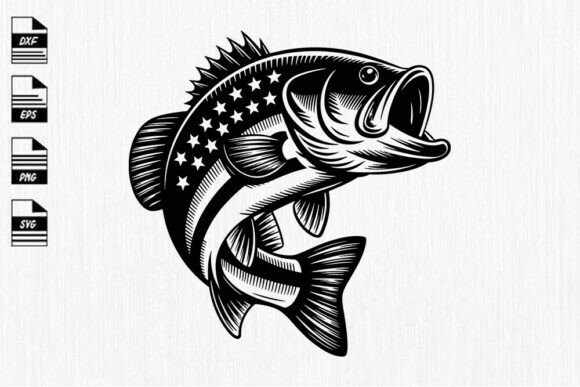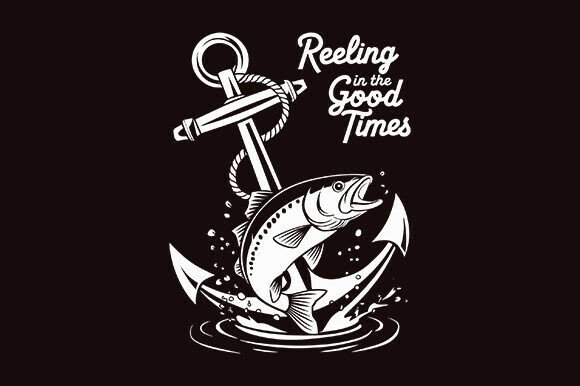
Fishing SVG Design Review for Real Embroidery
When I first opened the package for this Fishing SVG Design, my initial reaction was a mix of nostalgia and practical curiosity. As someone who has spent years turning digital files into tangible, stitched treasures for clients and craft fairs, I know that the difference between a design that looks great on a screen and one that stitches beautifully is often in the details. This isn't just another generic graphic; it carries a specific mood that feels right at home on a well-worn tote bag or a cozy sweatshirt.
The file set arrives as a zip containing essential formats: 1 file in SVG, 1 file in PNG, 1 file in EPS, and 1 file in DXF. While these are standard for any modern digital embroidery file, the real test begins when you load them into your machine software. The Fishing SVG Design presents itself with clean lines and a clear silhouette, which immediately suggests versatility. It doesn't scream for attention with chaotic elements but rather invites the viewer to appreciate the craftsmanship of the stitch work itself.
From Screen to Stitch: A Real-World Scenario
Let me walk you through how I envision this design coming to life in a real project. Imagine you are an Etsy seller preparing for the holiday season. You have a client who wants a personalized gift for their husband, a man who spends his weekends by the lake. You decide to create a custom embroidered patch to be sewn onto a canvas apron or a durable tote bag.
This is where the Fishing SVG Design shines. Its layout is balanced enough to fit comfortably within a standard 4x4 hoop without feeling cramped, yet detailed enough to hold interest once stitched. When I tested the concept on a scrap piece of heavy cotton twill, the design maintained its integrity. The visual personality of the motif works perfectly for a handmade product that needs to withstand daily use. Unlike overly intricate designs that might get lost in thick fabric, this one strikes a balance that ensures the imagery remains recognizable even after the washing process.
For a small shop owner, this translates to higher perceived value. Customers can see the quality in the finished product. The clean edges and defined shapes suggest professionalism, which builds trust. When a buyer sees a crisp, well-executed embroidery project on a boutique item, they are more likely to believe the entire brand is reliable. This design helps bridge the gap between a simple craft hobby and a serious commercial enterprise.
Performance Across Different Fabrics and Products
The versatility of the Fishing SVG Design extends beyond just the shape of the image. It adapts well to various applications, making it a strong asset for craft business owners looking to diversify their inventory. On a soft fleece sweatshirt, the design adds a touch of rustic charm without overwhelming the texture of the fabric. The contrast created by the thread colors against the dark or light background of the garment is crucial here, and the vector nature of the SVG allows for easy color adjustments before stitching.
I also considered using this for baby items. Embroidering on baby clothes requires extra caution due to the delicate nature of the fabric. The Fishing SVG Design features moderate density, which means it won't create a stiff, uncomfortable lump on a onesie if placed correctly. However, for such delicate projects, I would recommend using a high-quality cutaway stabilizer to ensure the fabric doesn't pucker over time. The running stitch elements, if present, add a nice hand-stitched feel that appeals to parents looking for personalized gifts.
For larger items like pillow covers or kitchen towels, the design acts as a focal point. The fill stitches provide a solid block of color that anchors the composition. Whether you are creating a wedding gift for a couple who loves outdoor adventures or a promotional item for a local tackle shop, the design fits the narrative. It is not just a picture; it is a statement about lifestyle and passion. This emotional connection is what drives sales in the world of custom apparel.
Where to Exercise Caution
While the design is robust, no single file is perfect for every situation. There are specific scenarios where the Fishing SVG Design requires careful handling. If you are working with very small hoop sizes, such as those found on portable machines or specific cap frames, you may need to scale the design down. Be aware that reducing the size too much can cause fine details to merge together, resulting in a muddy appearance that lacks definition.
Textured fabrics pose another challenge. If you are embroidering on a rough burlap or a heavily looped towel, the needle penetration might be inconsistent. The design relies on smooth transitions between satin and fill stitches. On a highly textured surface, these transitions can become uneven, affecting the overall aesthetic. Similarly, stretchy fabrics like jersey require a stabilizer that matches the stretch of the material to prevent distortion. Without proper support, the Fishing SVG Design could pull and warp, ruining the intended look.
Dense stitch areas should also be monitored. If the design includes large blocks of fill stitch, the fabric underneath might become too rigid, especially on thin materials like tea towels. In these cases, testing on scrap fabric is non-negotiable. You must check whether the design works for both personal and commercial projects, ensuring that the final product feels comfortable to wear or use. Additionally, if you plan to sell finished items, always confirm licensing terms before moving forward with mass production.
Practical Notes for the Designer
Before you commit to a full run of products featuring the Fishing SVG Design, there are several technical steps to take. First, inspect small details closely. Zoom in on the digital preview to ensure no tiny corners are missing or jagged. Next, review the stitch density settings in your digitizing software. High density is great for durability, but too much can lead to puckering. Adjusting the density can make a significant difference in the final finished product.
Thread color selection is another critical factor. The design's visual appeal depends heavily on the contrast between the thread and the fabric. Test your choices in black and white mockups to see how the tones translate. Compare light and dark fabric backgrounds to ensure the design pops in all variations. Using the correct stabilizer is paramount; a tear-away might not suffice for heavy-duty items, while a cut-away could be too bulky for lightweight garments.
Finally, consider the long-term viability of the design. Will it stand the test of time? Does it align with current trends in embroidery design? The Fishing SVG Design offers a timeless theme that rarely goes out of style, making it a safe bet for inventory. However, always remember to test the design on scrap fabric first. This simple step can save you hours of frustration and prevent costly mistakes. By following these guidelines, you can transform a simple digital file into a standout piece of art that customers will love.
In conclusion, this graphics asset from the Crafts category is a valuable addition to any designer's toolkit. It balances simplicity with enough detail to be engaging, making it suitable for everything from a quick personal gift to a high-volume commercial line. With the right preparation and attention to technique, the Fishing SVG Design can elevate your brand and satisfy your most discerning clients.