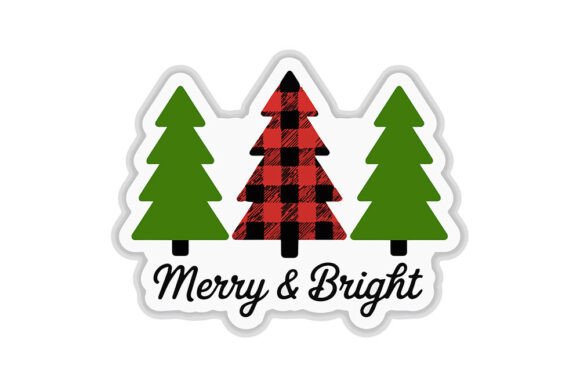
Merry and Bright Christmas Tree SVG Review
As a designer who has spent years evaluating digital assets for real-world embroidery, I approach every new download with a mix of excitement and skepticism. The market is flooded with holiday graphics, but few actually translate well from a screen to a needle. Today, I am putting the Merry and Bright Christmas Tree SVG- through its paces to see if it holds up in a professional workflow. This isn't just about how pretty the image looks on a monitor; it is about how it performs when stitched onto fabric, worn by a customer, or displayed as a finished product in a boutique.
The First Impression: Mood and Visual Personality
When you first open the package containing the Merry and Bright Christmas Tree SVG-, the immediate feeling is one of festive cheer without being overly cluttered. The design name suggests a classic holiday theme, and visually, it delivers. The layout feels balanced, creating a sense of warmth that fits perfectly into the winter season. For an embroidery designer, the initial visual appeal is crucial because it dictates the emotional response of the end-user. Does this design feel like a cheap mass-produced item, or does it have the soul of a handmade gift?
The shape of the tree and the typography create a cohesive unit. It feels like it belongs on a cozy sweater or a high-quality kitchen towel rather than a flimsy discount tote bag. The "Merry and Bright" text likely anchors the design, providing a clear focal point that guides the eye. In the world of crafts and graphics, simplicity often wins, and this design seems to understand that balance. It promises a finished product that feels intentional and polished, which is exactly what buyers are looking for when they purchase personalized gifts or custom apparel.
Real-World Application: From File to Finished Product
Let's imagine a practical scenario. You are preparing for the holiday rush at your small shop. You need to create a batch of custom embroidered aprons for a local bakery client, along with matching tote bags for their holiday promotions. You pull up the Merry and Bright Christmas Tree SVG- file to test the concept. How would this look after stitching?
In a real-life application, this design shines on structured fabrics. Imagine applying it to a canvas tote bag using a dense fill stitch for the tree body and a crisp satin stitch for the lettering. The contrast between the textured fabric and the smooth embroidery threads would make the colors pop. For a sweatshirt, the design offers a nostalgic vibe that customers love during the holidays. It transforms a plain garment into a statement piece. If you were making baby items, like a onesie or a soft blanket, the design's friendly aesthetic would be perfect for nursery decor or a special holiday photo prop.
The versatility extends to commercial projects as well. As an Etsy seller, having a design that works across multiple product types is a massive advantage. You could use the same core asset to create embroidered patches for denim jackets, pillow covers for home decor, or even tea towels for kitchen enthusiasts. The ability to scale this embroidery file allows you to maintain brand consistency across your entire inventory. Whether it is a small shop product or a larger commercial run, the design maintains its integrity, ensuring that your handmade products look professional and trustworthy.
Where to Exercise Caution
While the design is strong, no single asset is a magic bullet for every situation. There are specific scenarios where the Merry and Bright Christmas Tree SVG- might require careful handling or might not be the best choice. One of the primary concerns in machine embroidery is hoop size. If the design includes intricate details or fine lines in the lettering, attempting to stitch it in a very small hoop can result in lost definition. The threads may crowd each other, leading to a muddy appearance that ruins the crispness of the "Merry and Bright" message.
Fabric texture is another critical factor. Stretchy knits, such as those found in t-shirts or leggings, present challenges. Without proper stabilizer support, the tension of the stitches can cause the fabric to pucker, distorting the shape of the tree. Similarly, thin fabrics like silk or lightweight rayon may not support the density required for a bold design. If you attempt to stitch this on dark fabric, you must consider thread color contrast carefully. A light-colored thread on a black background might get lost if the stitch density is too low, while a dark thread on a dark background will simply disappear.
Curved surfaces, like caps or hats, add another layer of complexity. While the design might look great flat, the curvature of a hat can distort the perspective of the text and the tree shape. Detailed corners and tiny lettering are also areas where you should inspect the digitization closely before committing to a production run. If the design relies on very fine running stitches, these might break down over time, especially on items that need frequent washing, such as aprons or workwear. Always verify that the stitch density is appropriate for the intended wear and tear of the final product.
Design Notes for the Professional Maker
Before you start stitching, there are essential steps to ensure the success of your project. First, always test the design on scrap fabric. This simple step reveals potential issues with thread tension, stabilizer selection, or fabric compatibility before you ruin a valuable garment. Check the thread colors against your fabric choice; sometimes a color that looks vibrant on a screen appears dull under the light of your sewing room.
Review the stitch density within the design files. High-density areas can cause the fabric to bunch up, so ensure you are using the correct type of stabilizer—cutaway for stretchy fabrics or tear-away for stable materials. Inspect small details closely; if the resolution is low, you might miss jagged edges that become obvious once stitched. It is also wise to test the design in black and white mockups to check the value contrast, ensuring the tree stands out regardless of the color palette.
Compare how the design looks on both light and dark backgrounds. This helps you decide if you need to add a backing layer or change your thread strategy. Confirm whether the license terms allow for commercial use if you plan to sell the finished items. Many designers assume a purchase includes commercial rights, but this varies. Finally, consider the long-term durability of the embroidery project. Will the stitches hold up after multiple washes? Are the decorative accents secure?
Final Thoughts on Value and Appeal
The Merry and Bright Christmas Tree SVG- offers a solid foundation for creating meaningful handmade products. Its visual personality aligns well with the holiday spirit, making it a strong candidate for giftability and buyer engagement. When executed correctly, it elevates the perceived value of your craft business, turning a simple graphic into a cherished keepsake. For creative entrepreneurs and hobbyists alike, understanding the nuances of how this design interacts with different fabrics and machines is key to delivering a professional finished product.
By approaching this design with a critical eye and following practical testing protocols, you can maximize its potential. Whether you are decorating a nursery, launching a new line of boutique branding, or fulfilling a custom order for a client, this design has the capacity to shine. Just remember that the quality of the final output depends as much on your technique and preparation as it does on the digital file itself. Use it wisely, test thoroughly, and let the festive mood of the design bring joy to your customers' projects.